
Operational now
Inherit operates Europe's first bioenergy with carbon capture and storage project
Project information
Status: Operational since Q1 2026
CO2 source: Veas, Norway's largest wastewater treatment facility
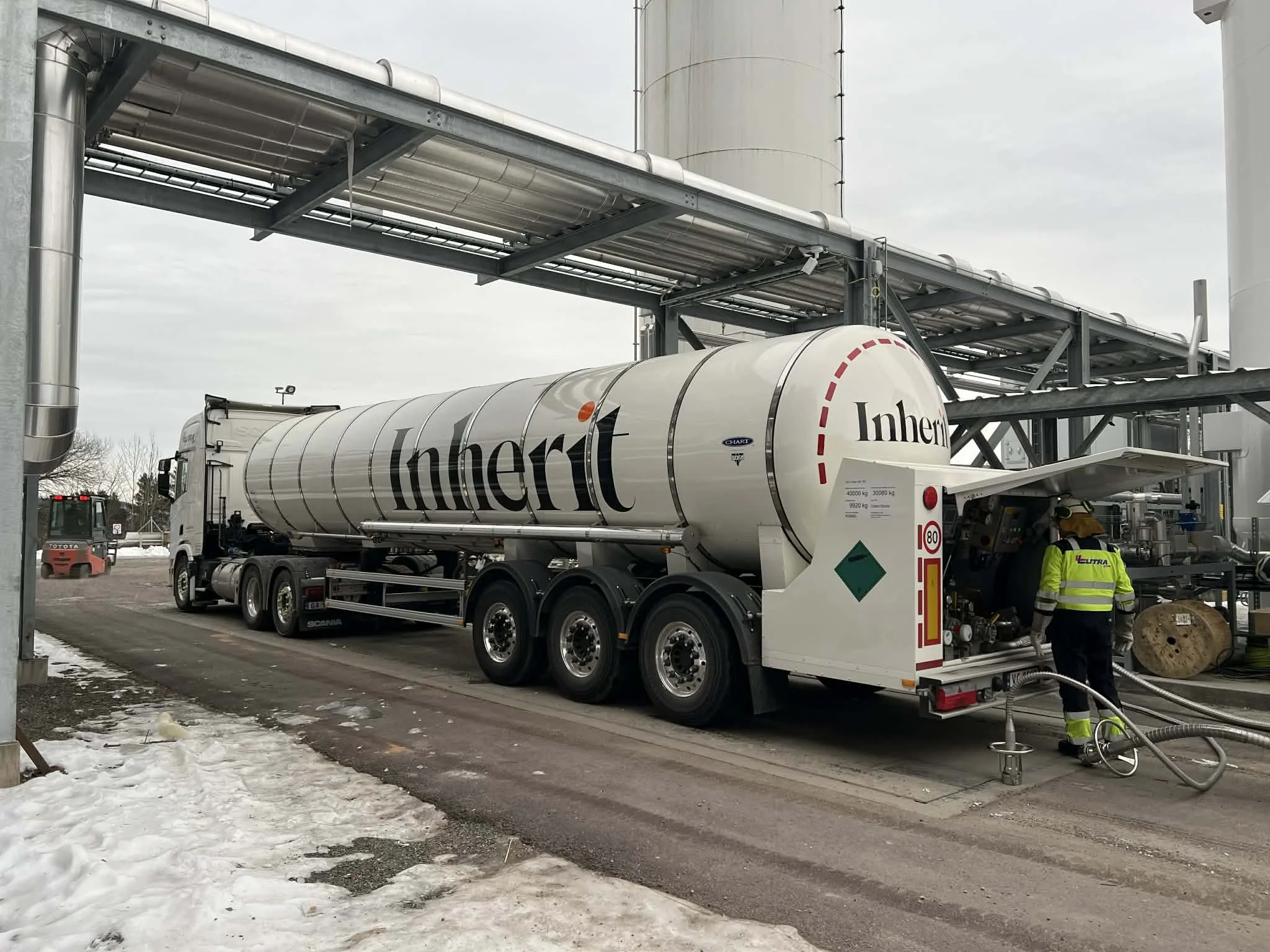
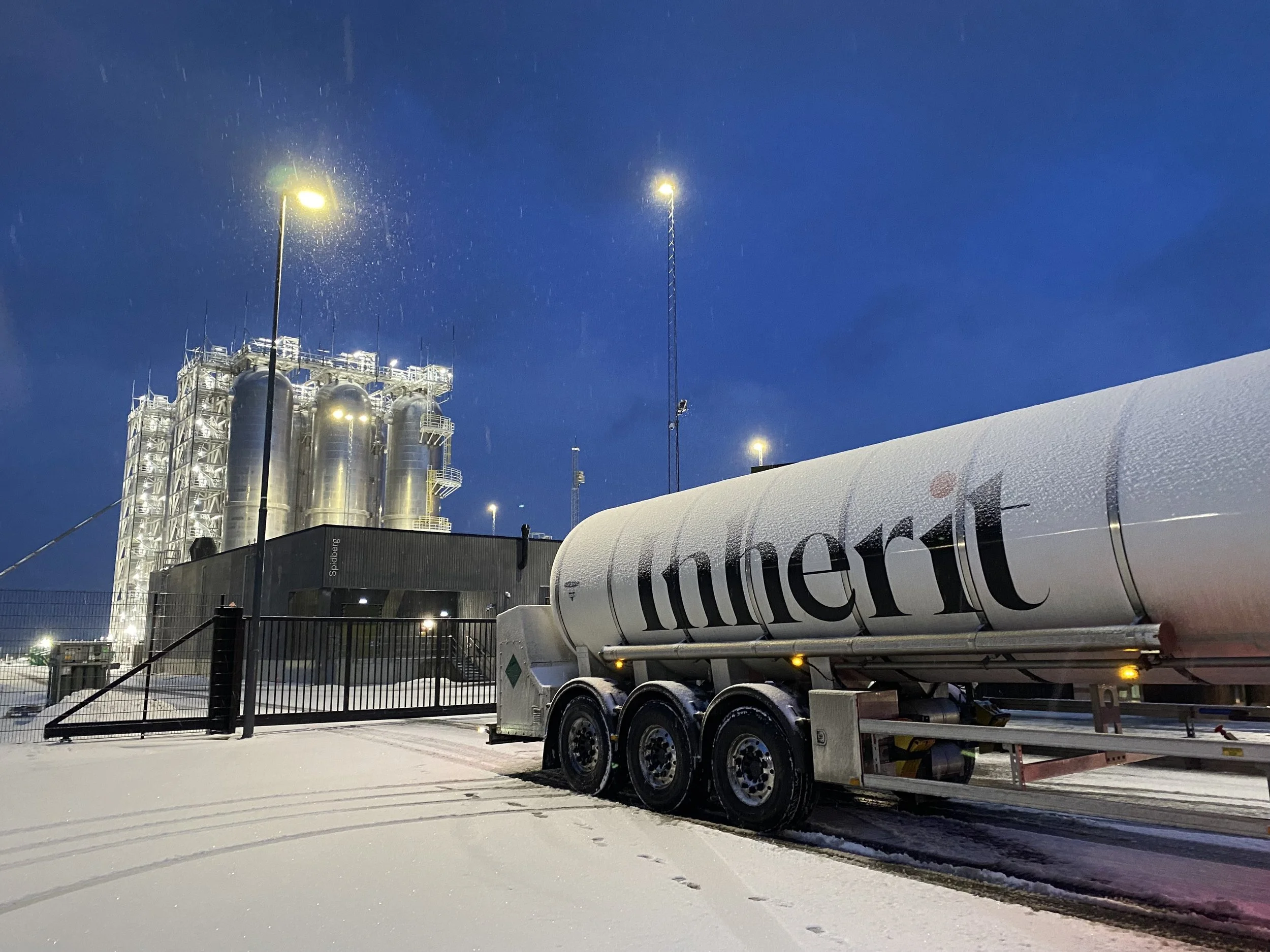
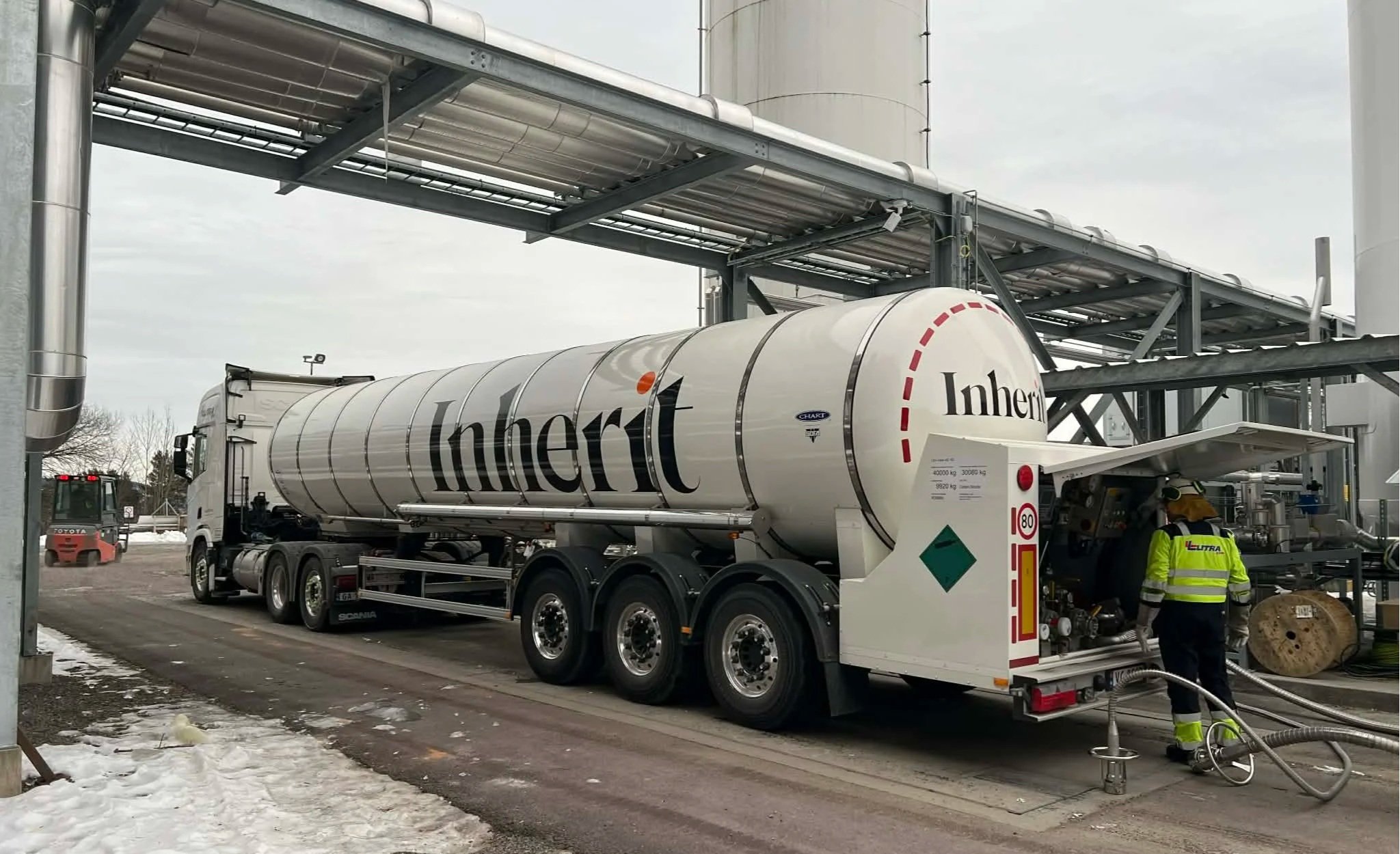
Transport: Litra, by road with trucks running on biogas
Geological storage: Northern Lights, the world’s first commercial CO2 storage infrastructure
Credits certified: Puro.earth registry
“For the first time, biogenic CO2 from biogas production is being permanently stored underground. This proves that the full value chain works, from capture to permanent storage below the seabed.”
– Kaja Voss, CEO and Co-Founder of Inherit
From wastewater to carbon removal
The CO2 comes from the wastewater of over 800,000 residents in Oslo, Bærum and Asker.
When organic waste is turned into biogas, concentrated CO2 is released as a byproduct and is normally vented directly into the atmosphere.
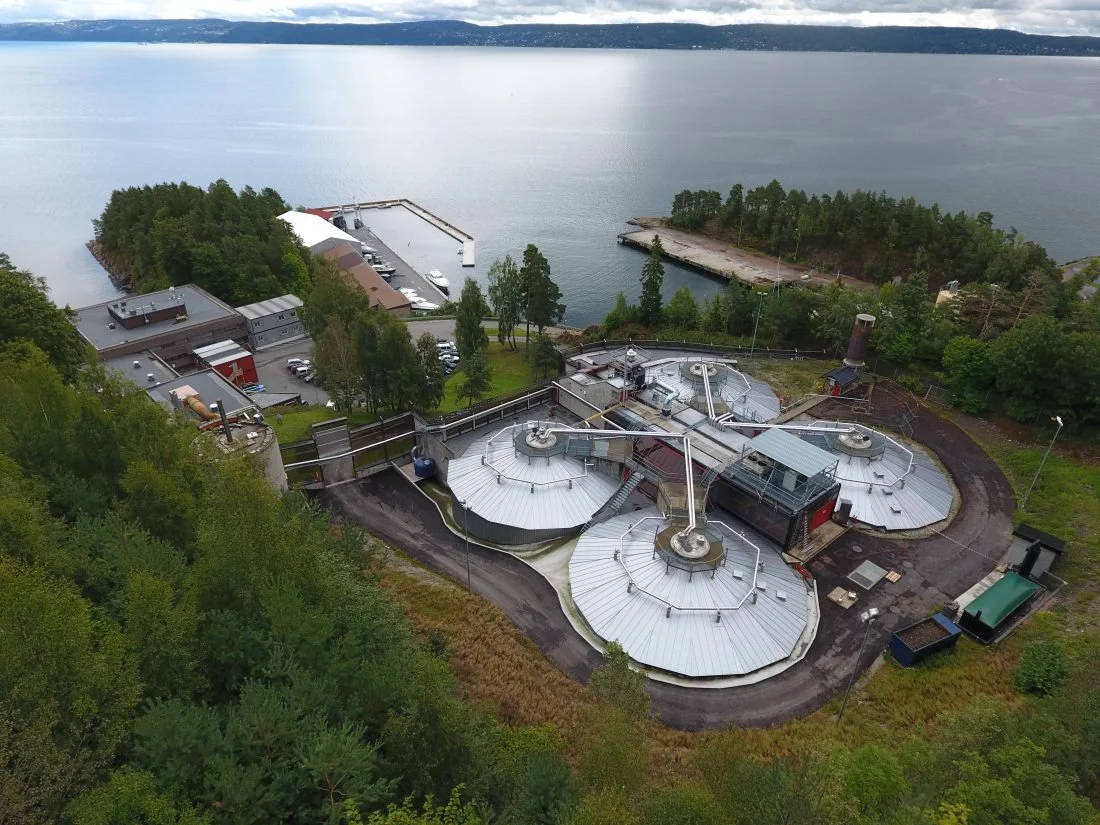
Captured and liquefied on site
A capture and liquefaction facility at the wastewater treatment plant collects the biogenic CO2 that would otherwise be vented to the atmosphere
The technology is proven and operational today.
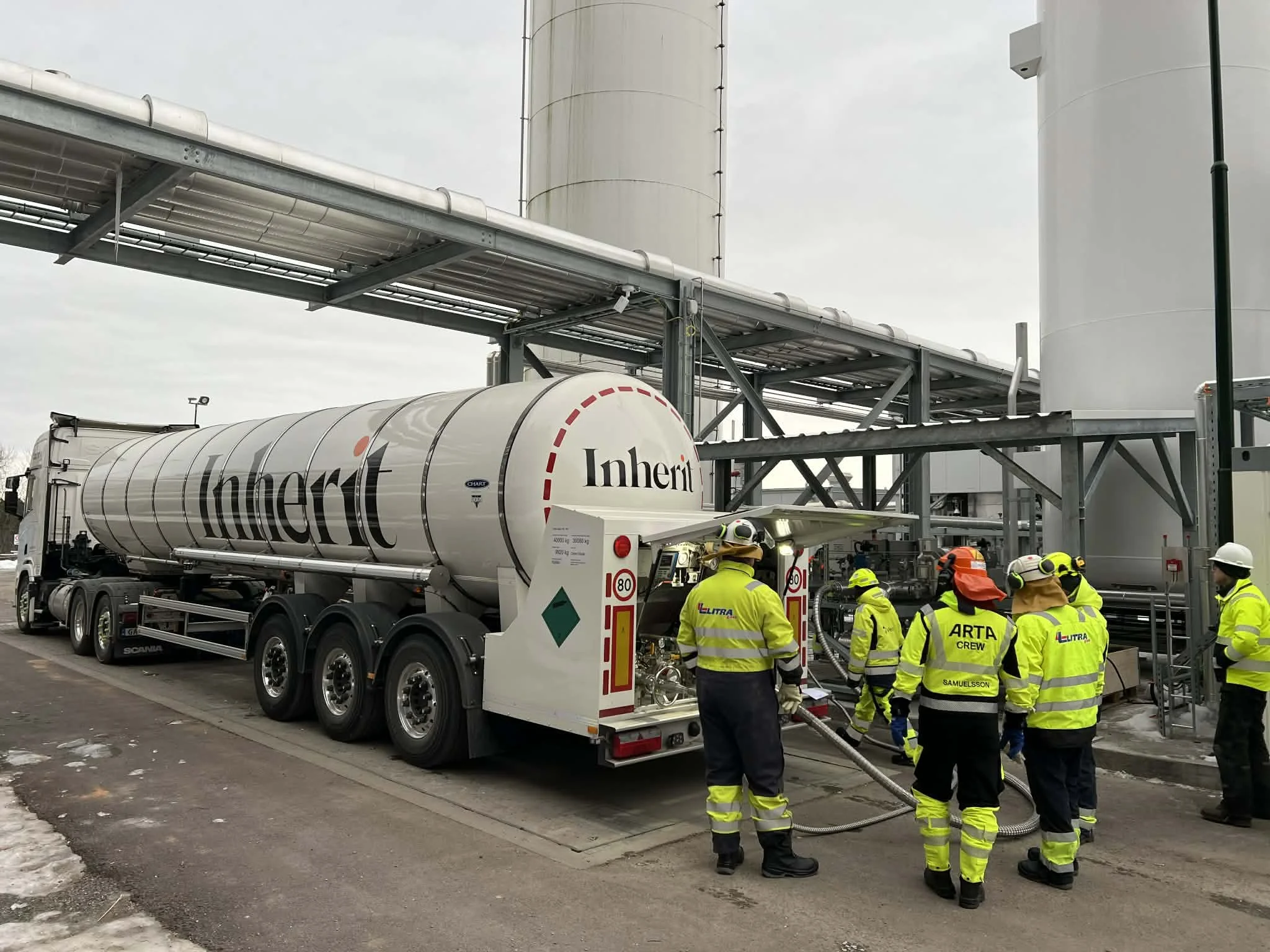
Transported by road to Øygarden
The liquefied CO2 is transported from the wastewater plant to the Northern Lights receiving terminal in Øygarden, west of Bergen.
The tank trucks run on biogas to minimise value chain emissions.
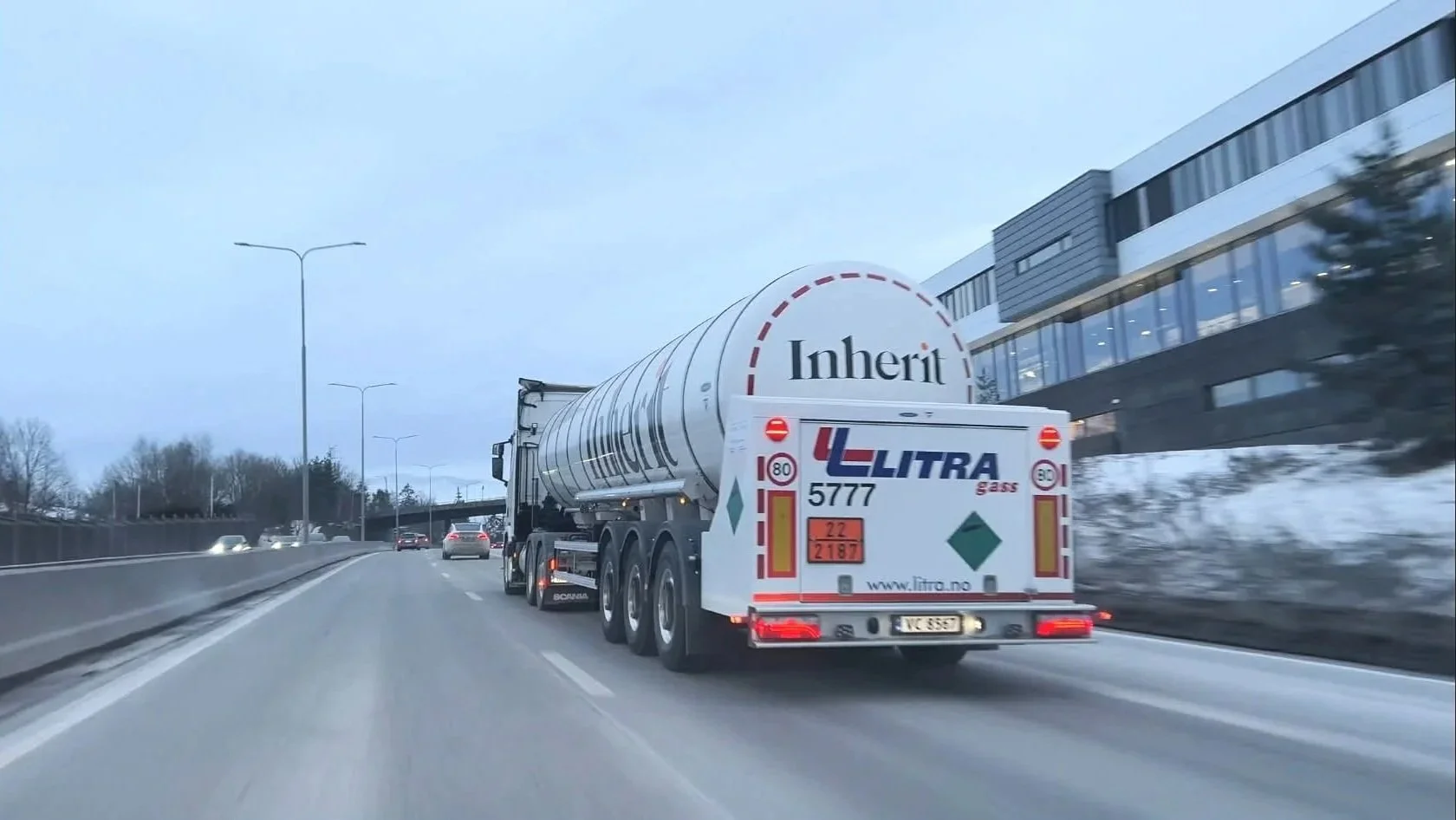
Permanently stored below the seabed
From Øygarden, the CO2 goes by pipeline to permanent geological storage 2,600 metres below the North Sea seabed.
Once stored, the carbon is removed from the natural cycle for good.
Verified and certified
Each removal is third-party verified and certified through the Puro.earth registry.
Customers receive CO2 Removal Certificates with a full chain of custody from capture to storage.

News


What comes next
We are developing additional carbon removal projects across the Nordics, connecting biogas facilities to permanent geological storage.